Episodes
33
Oct. 8, 2026
S5E33: From Starfleet to the Sonoran Desert: Coping With a Burro Onslaught
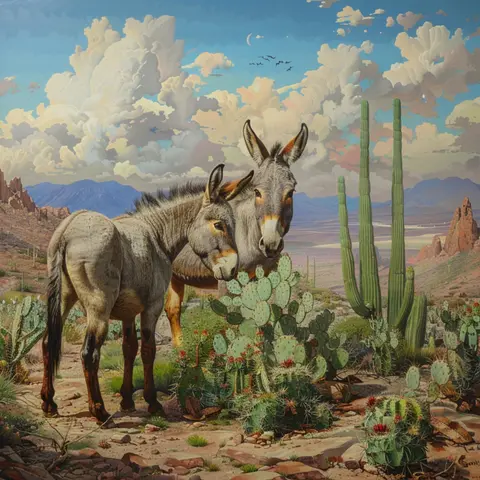
Burros are magnificent animals. What happens when unmanaged herds overwhelm the desert habitat around them? Dr. Jen Anderson joins Chris Clarke to describe her efforts to restore the Sonoran Desert Sanctuary near Alamo Lake in western Arizona. She recounts damage to palo verde trees, disappearing wildlife, and years of seeking help from the Bureau of Land Management. The conversation brings together desert conservation, federal wild burro management, animal welfare, and hands-on restoration—and includes a detour onto the bridge of Star Trek: Enterprise.
Guest: Jennifer Anderson, PhD.
32
Oct. 2, 2026
S5E32: Hiding Big Projects in Small Pieces
How developers split projects to sidestep environmental review—and how communities fight back. Cadiz groundwater, Chevron and an Imperial County data center.
31
Sept. 25, 2026
S5E31: Desert Dispatch, Data Centers, and the People Pushing Back
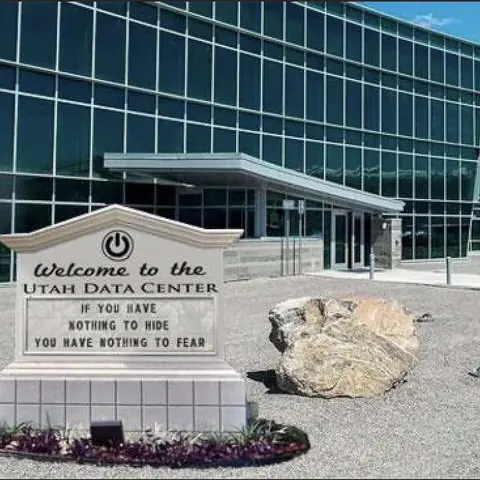
Chris talks with Melinda Matson Spina, Jodi Darby, and Sage Bond about Desert Dispatch Media’s effort to document communities responding to the rapid expansion of AI data centers across the desert Southwest. They discuss a community-led film, public assemblies, and music that draws on sounds from the land.
30
Sept. 17, 2026
S5E30: Why Deserts Need Defending
Why do deserts need protection? For the 150th episode of 90 Miles from Needles, Chris Clarke returns to the reasons this work matters: deserts remain widely misunderstood, receive less scientific attention than they deserve, and cannot be protected without confronting questions of justice. Listeners Kimberly, Nancy, and Diane share what the desert means to them, while Chris considers wildfire, Joshua tree science, environmental inequality, the border wall, urban heat, and the love that ultimately lies behind conservation. An after-credits report examines where the podcast has traveled during its first 150 episodes—and where its coverage still needs to go.

29
Sept. 11, 2026
S5E29: Why Was the North Kaibab Trail Still Open?
After the Dragon Bravo Fire, Grand Canyon trail staff warned that the North Kaibab Trail faced years of heightened danger from debris flows, flash floods and rockfall. Yet the entire trail reopened in May 2026. Journalist Joe Dana of Phoenix's 12 News joins 90 Miles from Needles to discuss his reporting on internal National Park Service recommendations, pressure to restore public access, and the decisions made before the deadly August 29 Grand Canyon flood.
Guest: Joe Dana

28
Sept. 4, 2026
S5E28: 4 Things You Need to Know about Desert Flooding
This week: four things to understand about desert flash floods, why blaming victims makes us less safe, and what both travelers and institutions can do to reduce the danger.

27
Aug. 28, 2026
S5E27: Sonoran Toads and the Dirty Business of Ego Death
Journalist Kimon de Greef follows the dirty business behind psychedelic “toad medicine”: wildlife exploitation, manufactured Indigenous tradition and a global market selling ego death as transcendence.
Guest: Kimon DeGreef

26
Aug. 14, 2026
S5E26: Maps, Vanished Lakes, and Two Desert Squirrels
The boundary between two ground-squirrel species preserves the memory of a wetter Mojave,and a barrier that disappeared thousands of years ago.

25
Aug. 7, 2026
S5E25: The Vaquita Can Still Recover
Only a handful of vaquitas have recently been observed, but the species doesn't have to be doomed. Lorenzo Rojas-Bracho explains why these desert porpoises remain capable of recovery, and what must change to keep them alive.
Guest: Lorenzo Rojas-Bracho

24
July 31, 2026
S5E24: Tree Sit at the Border
Kate Scott reports from a tree sit in Lochiel, where activists occupied the last of four landmark cottonwoods after contractors destroyed the others for double-wall construction through the San Rafael Valley.
Guest: Kate Scott

23
July 24, 2026
S5E23: Beyond Laws: Building a Movement to Save Our Deserts
Chris argues that federal environmental law remains indispensable but insufficient, calling for durable local power, community narratives and relationships capable of defending desert places when national protections are weakened or ignored.

22
July 17, 2026
S5E22: Morgan Sjogren on the War on Utah's National Monuments
Writer Morgan Sjogren describes the emotional and ecological stakes of renewed attacks on Bears Ears and Grand Staircase–Escalante, connecting monument boundaries to rivers, cultural landscapes, resource extraction and everyday life in southern Utah.
Guest: Morgan Sjogren