Episodes
12
April 17, 2026
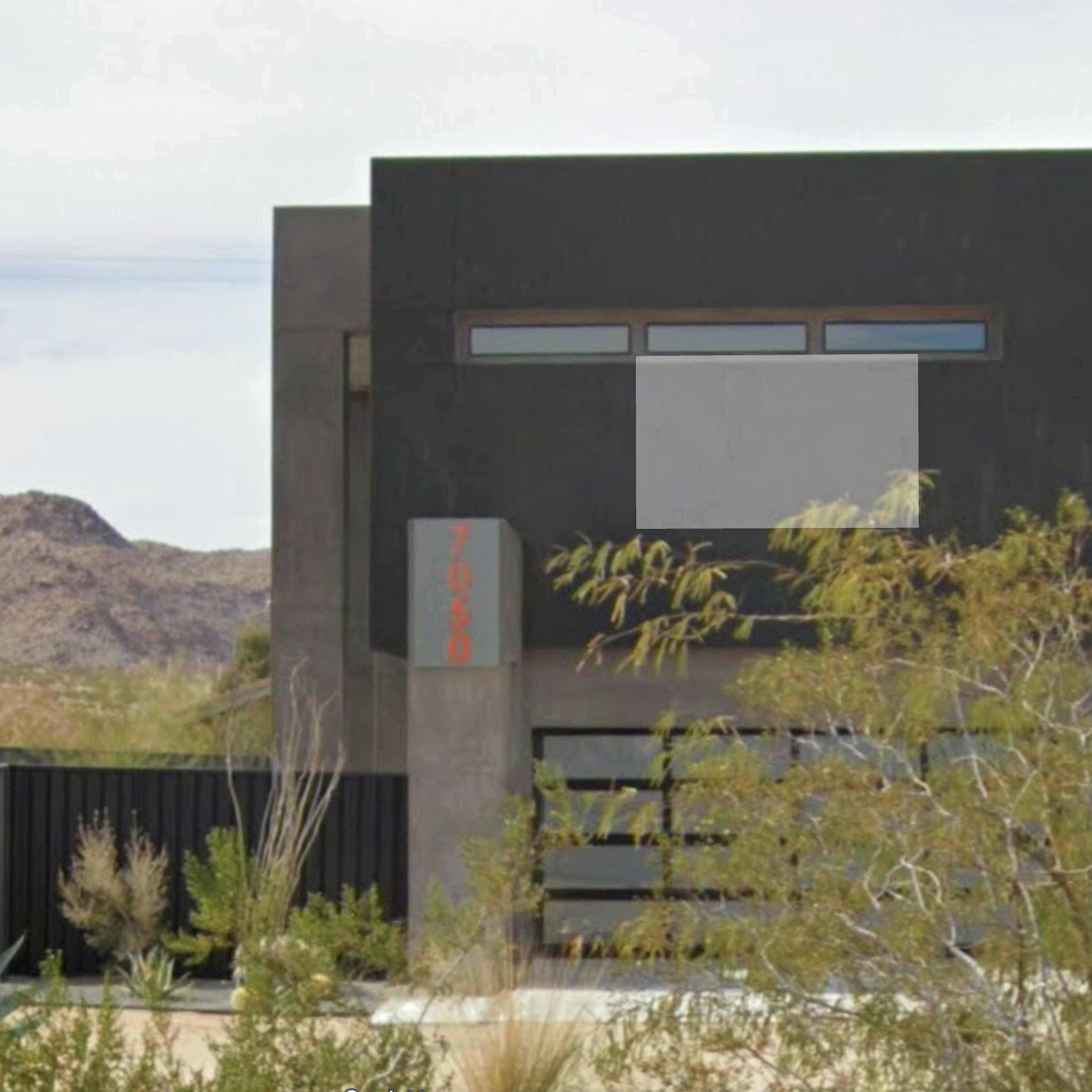
S5E12: Whose Desert Is It Anyway? Navigating Change in the Mojave
Ruth Nolan and Chris examine how promotional media, upscale art events and imported visions can accelerate gentrification in the Morongo Basin, arguing that newcomers should listen to the land and existing communities before remaking either.
Guest: Ruth Nolan
11
April 10, 2026
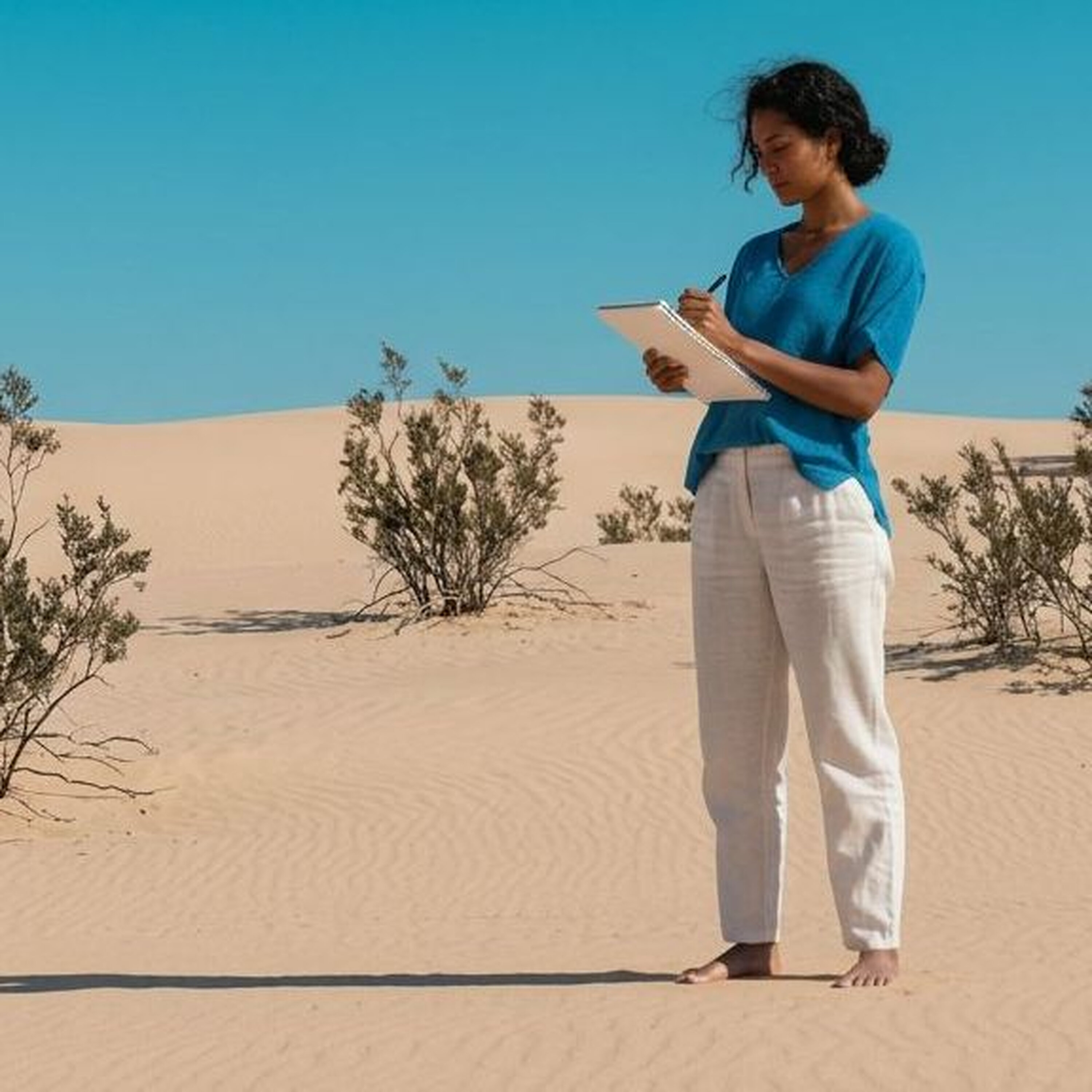
S5E11: Help Us Preserve Deep Desert Reporting
Chris explains how collapsing local media has stripped desert communities of context and institutional memory, and introduces the Fellowship for Desert Reporting as a way to support emerging journalists and deeper, systems-aware work.
10
April 3, 2026
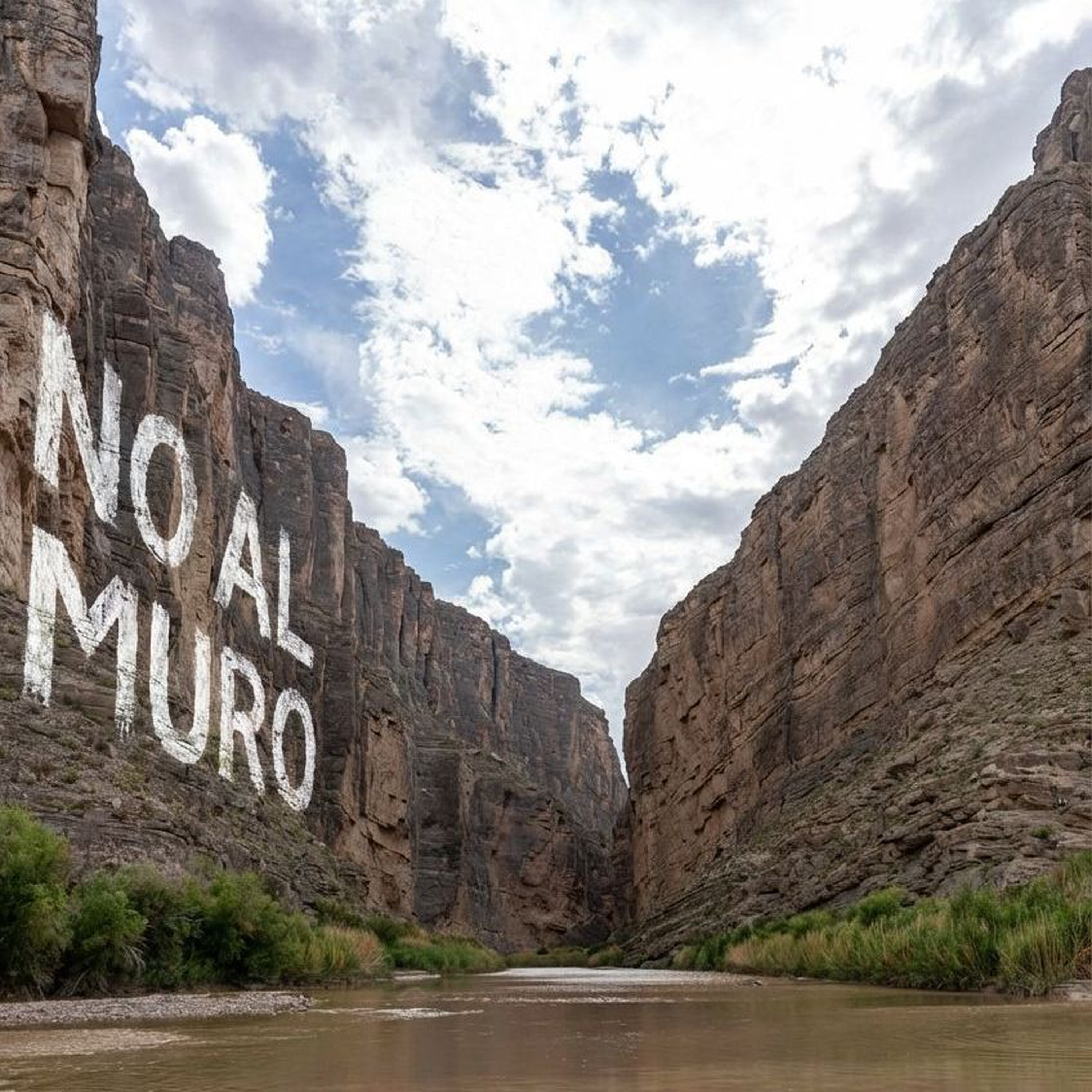
S5E10: ¡No al muro! Big Bend Neighbors Fight Proposed Border Wall
Laiken Jordahl describes the unusually broad Big Bend coalition opposing border-wall construction, where ranchers, conservationists and local officials are defending wildlife, the recovering Rio Grande and cross-border community life.
Guest: Laiken Jordahl
9
March 27, 2026
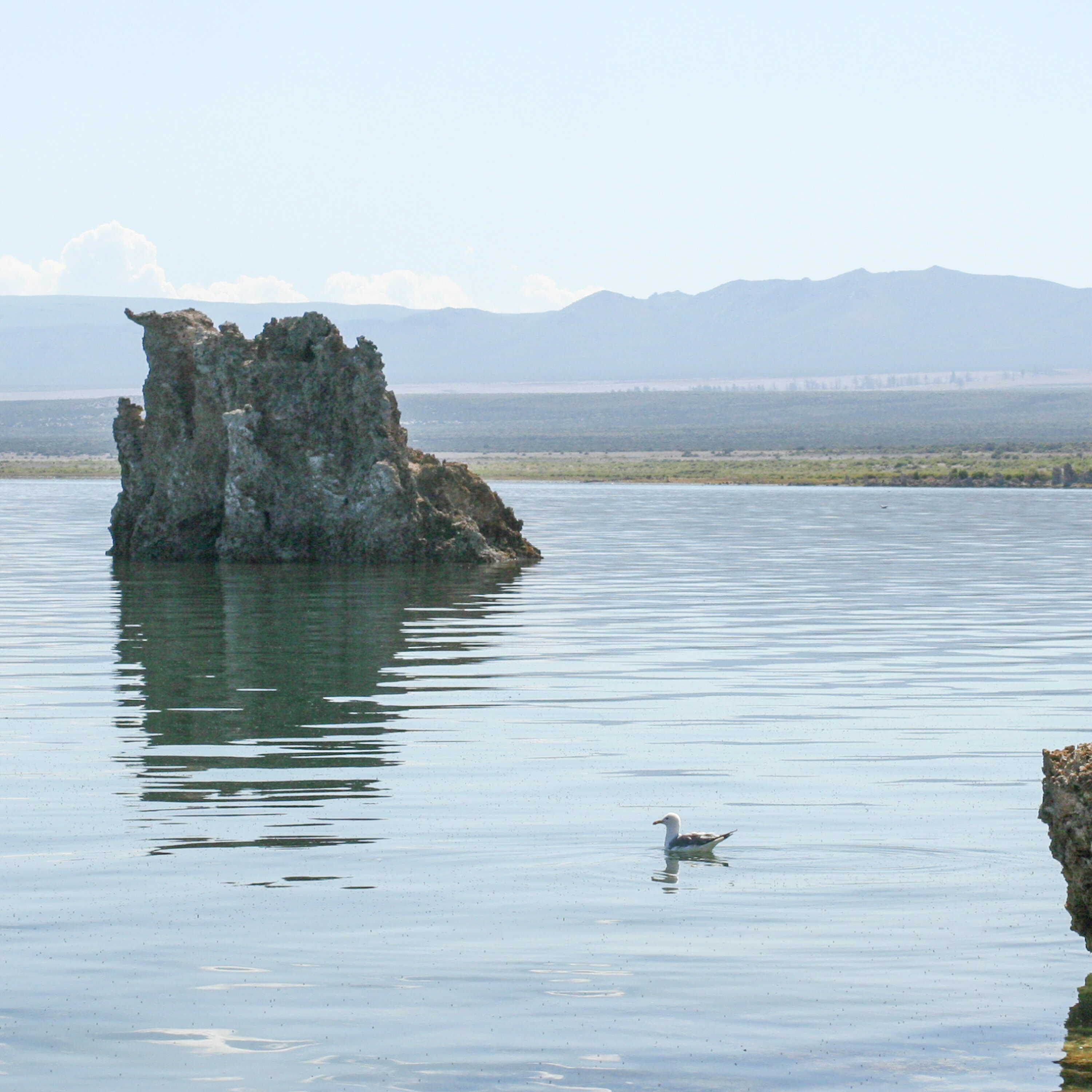
S5E9: Why Salt Lakes Matter More Than Ever
Caroline Tracey discusses Salt Lakes: An Unnatural History, tracing how water diversion transforms terminal lakes while using natural history, queer theory and personal narrative to challenge the idea that saline landscapes are barren or disposable.
Guest: Caroline Tracey
8
March 20, 2026
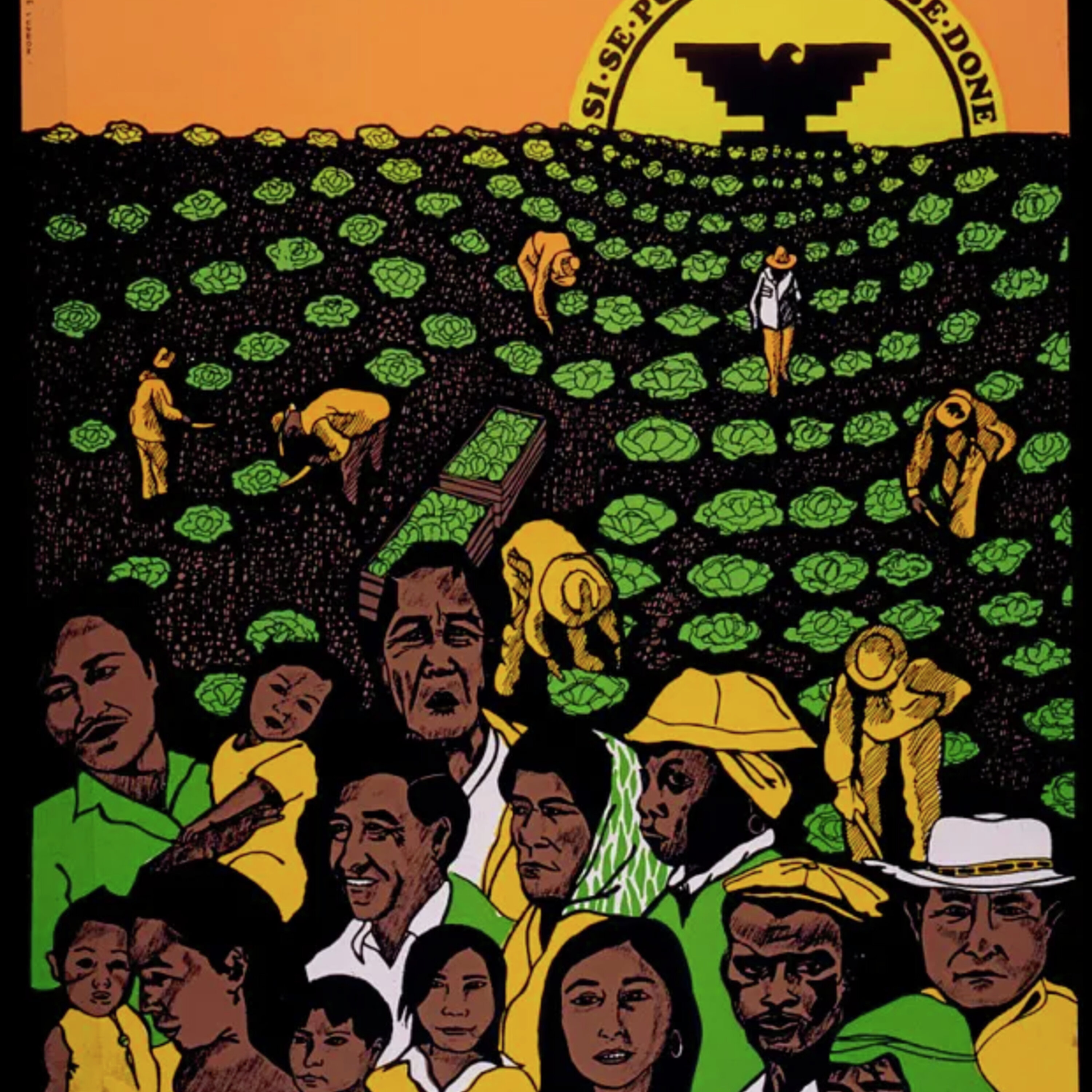
S5E8: We Don't Need Heroes. We Need Activists.
Responding to sexual-assault allegations against César Chávez, Chris examines the damage caused by hero worship and argues for accountable, distributed movements that value collective work above charismatic leaders.
7
March 6, 2026
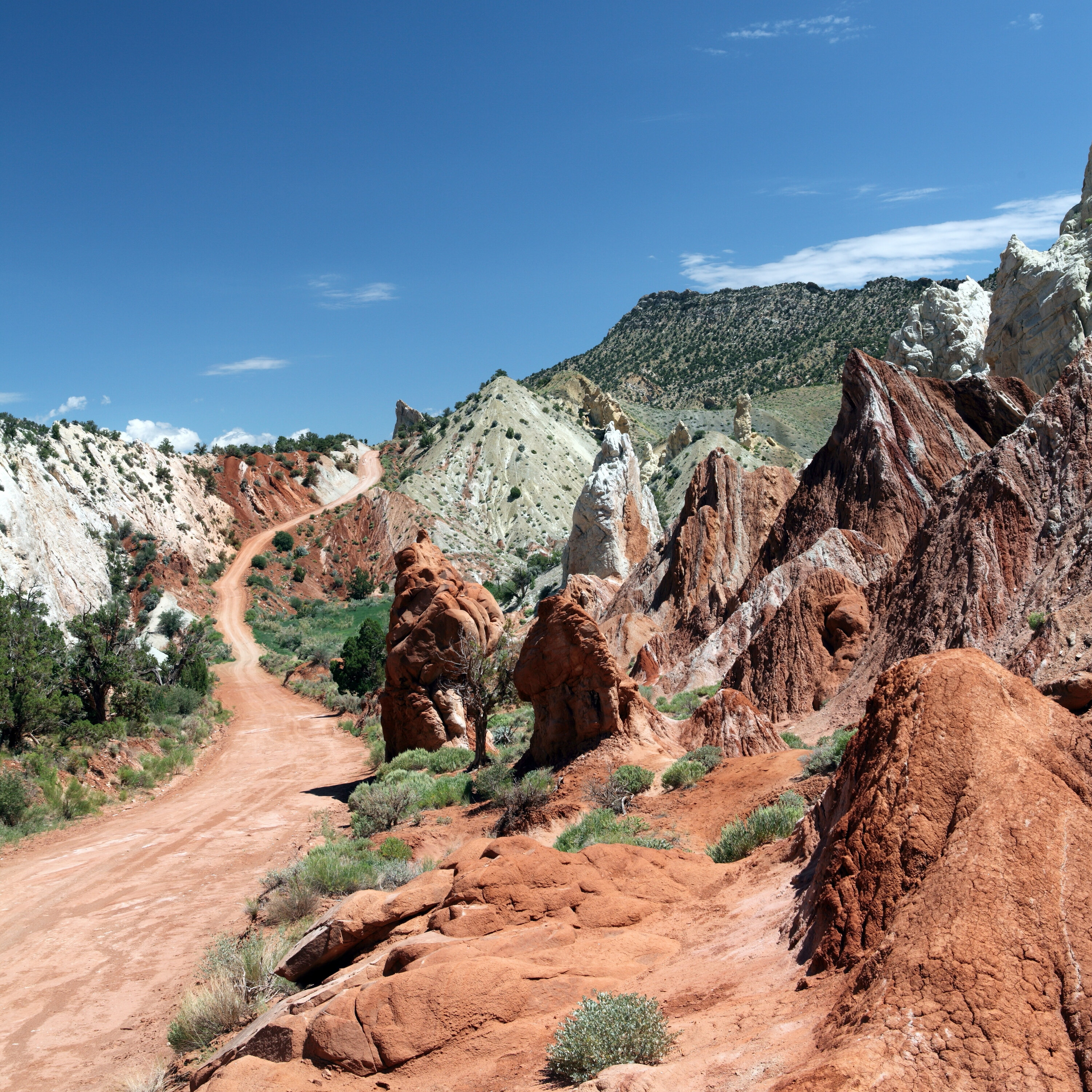
S5E7: The Battle for Grand Staircase Escalante National Monument
Dr. Jackie Grant explains how a Congressional Review Act attack on Grand Staircase–Escalante’s management plan could destabilize public-land planning nationwide, despite extensive local participation and the monument’s ecological and economic importance.
6
Feb. 20, 2026
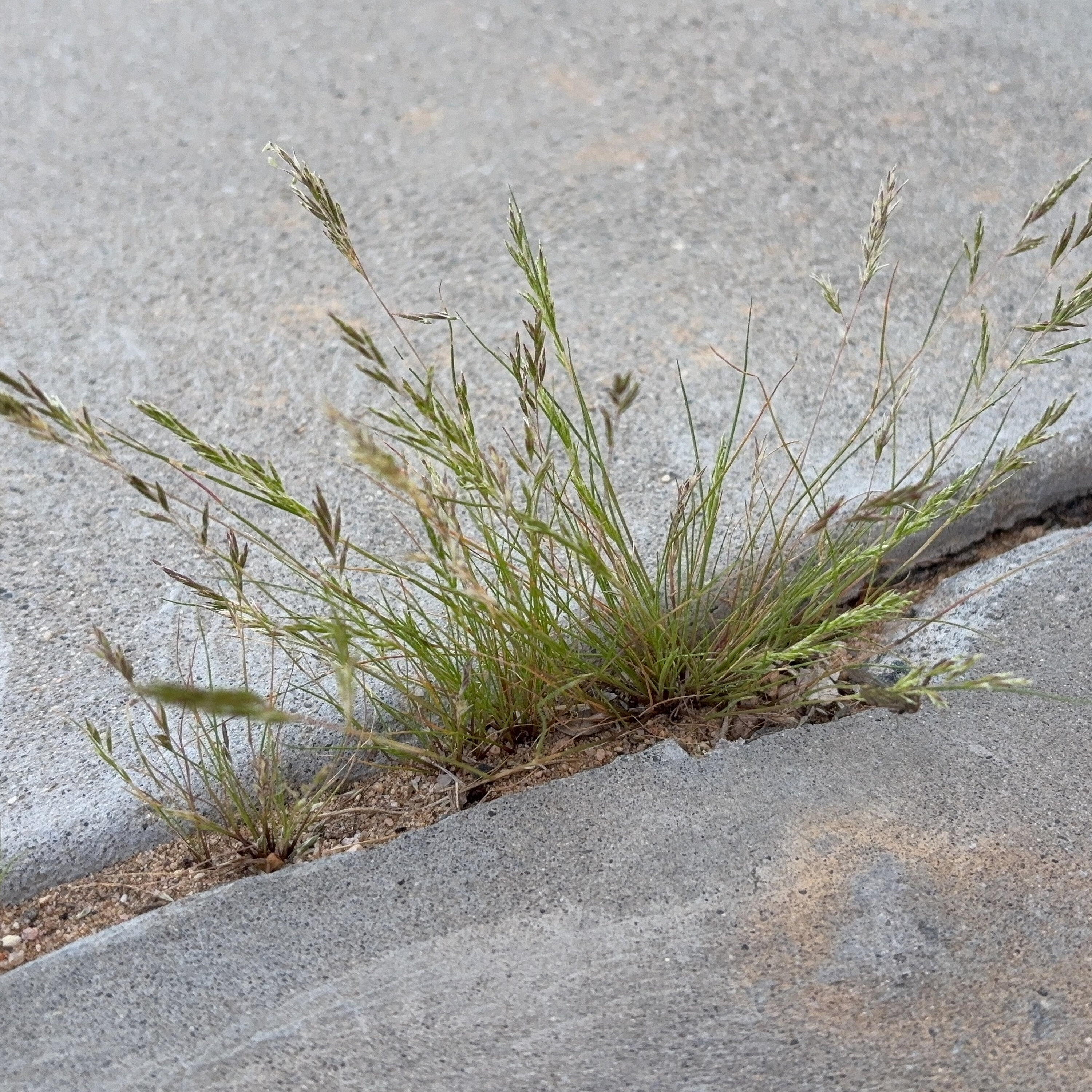
S5E6: Ravens and Splitgrass: A Deep Dive into the Mojave's Ecological Challenges
Desert tortoise biologist Tim Shields explains experimental tools for deterring ravens, confronting invasive schismus grass and measuring ecosystem health—work intended to give future restorationists practical ecological leverage.
Guest: Tim Shields
5
Feb. 13, 2026
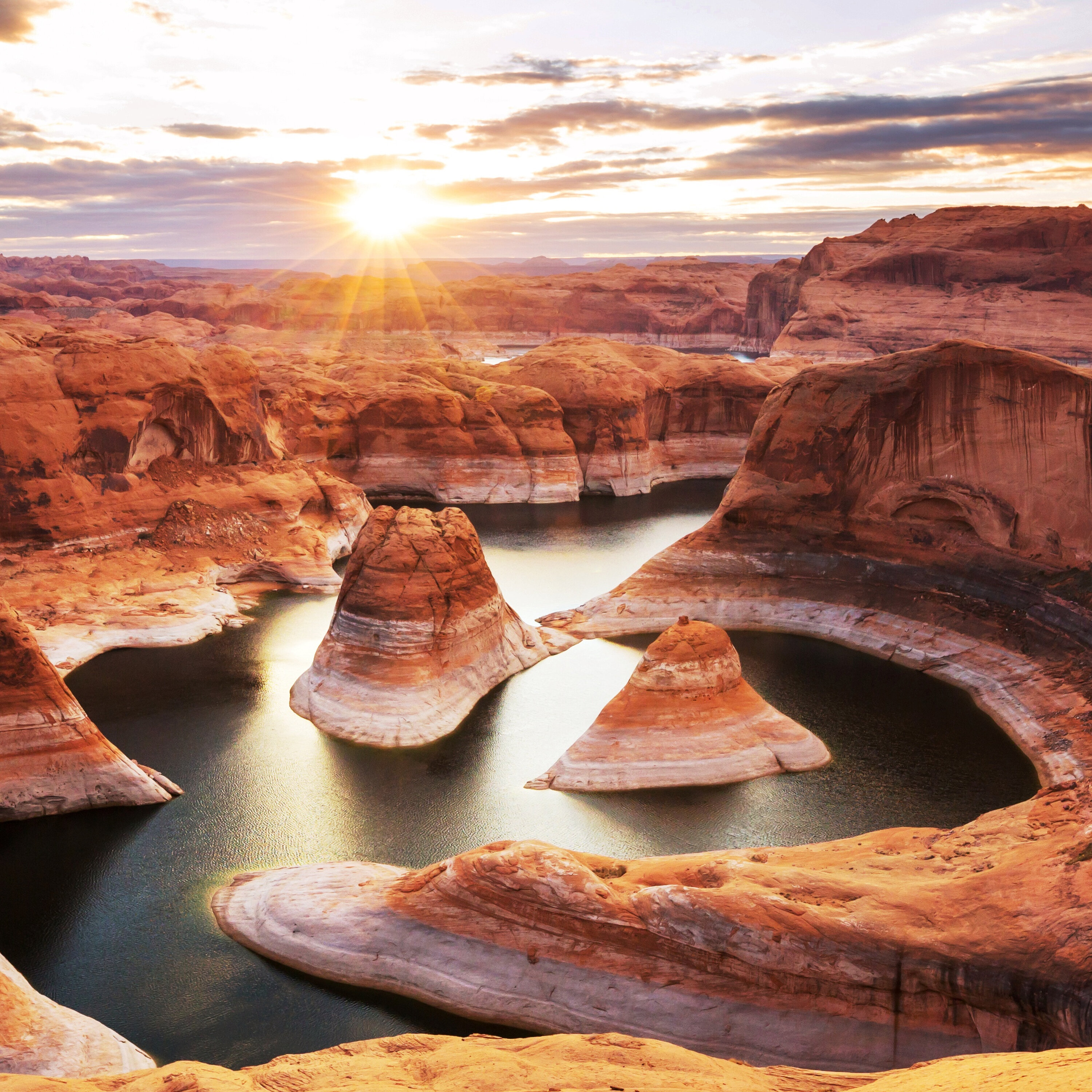
S5E5: From Nuclear Waste to Restoring Glen Canyon
Journalist Zak Podmore connects proposed nuclear-waste storage in southeastern Utah with the rapid ecological recovery emerging from Lake Powell, asking who bears the nuclear fuel cycle’s costs and what a restored Glen Canyon could become.
4
Feb. 6, 2026
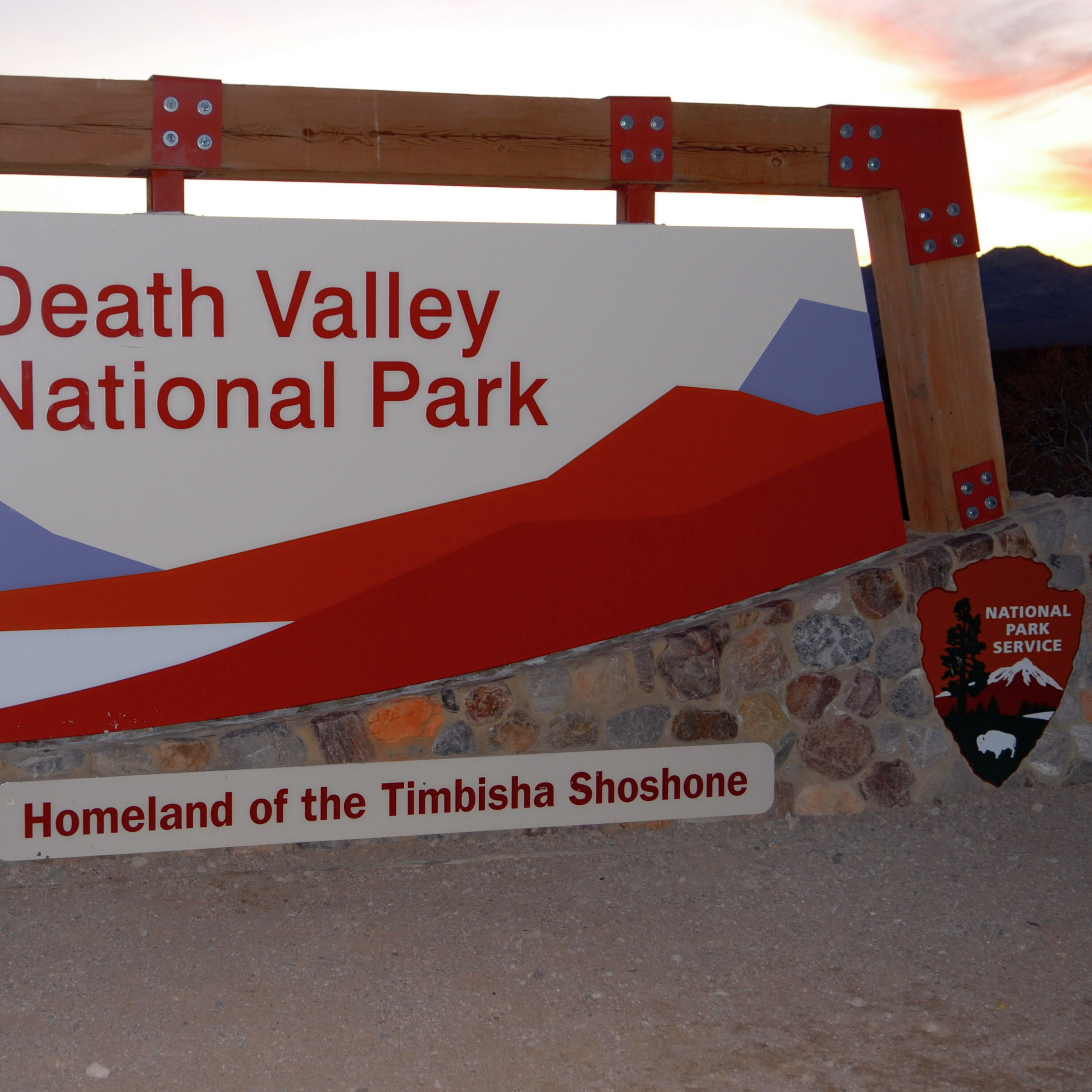
S5E4: Celebrating 25 Years: The Timbisha Shoshone's Fight for Their Homeland
Timbisha Shoshone leaders commemorate the Homeland Act’s 25th anniversary in Death Valley, recounting displacement, return and the continuing struggle for honest representation, cultural survival and respectful federal partnership.
3
Jan. 23, 2026
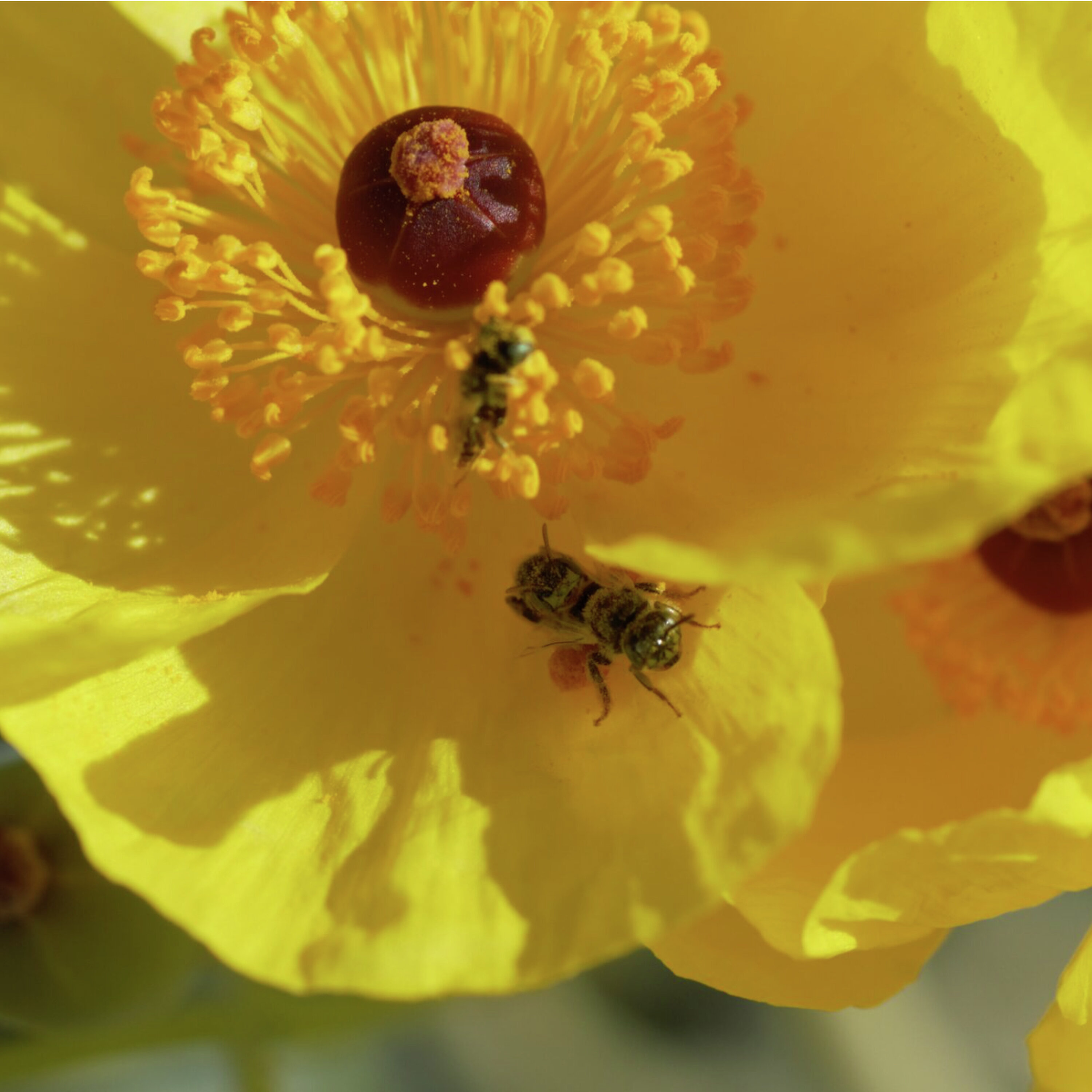
S5E3: How Honeybees Threaten The Desert's Native Pollinators
Mary O’Brien of Project 1100 explains how commercial honeybees compete with and spread disease to native solitary bees, why public lands are essential pollinator refuges and what genuine bee conservation requires.
Guest: Mary O'Brien
2
Jan. 16, 2026
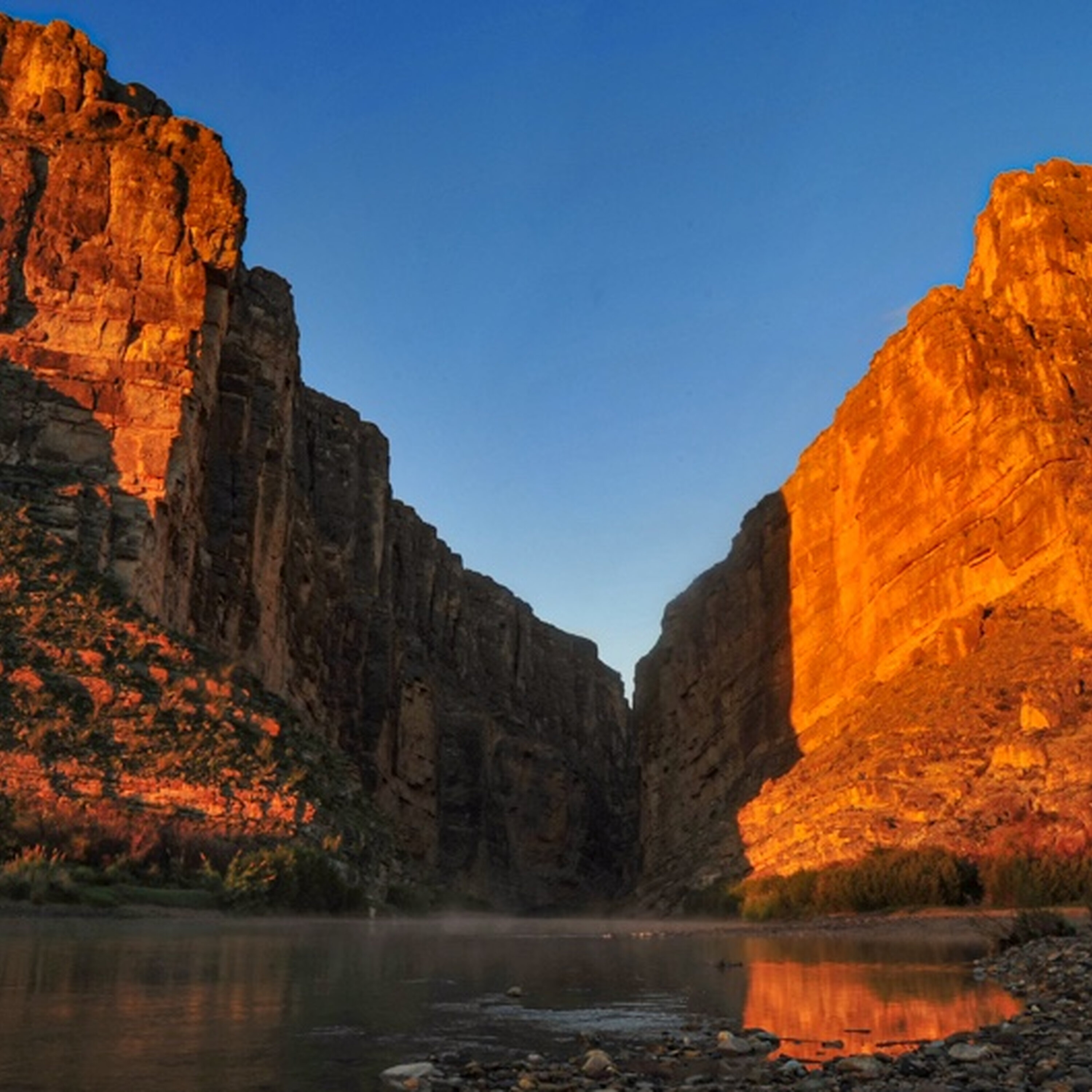
S5E2: Cross-Border Conservation in the Big Bend Ecoregion
Rick LoBello describes a lifelong effort to connect protected lands on both sides of the Rio Grande, using wildlife recovery, community relationships and environmental education to revive the vision of an international Big Bend park.
Guest: Rick LoBello
1
Jan. 9, 2026
S5E1: Standing Up to Tech Giants: Desert Locals vs. California’s Largest Data Center
Gilberto Manzanarez of Valle Imperial Resiste explains why Imperial County residents are demanding a moratorium on data centers until officials address their enormous energy, water, noise and community impacts.
Guest: Gilberto Manzanarez